
CoQ10 & Medication Compatibility Analyzer
Enter your current medication status below to understand potential interactions and recommended protocols.
Step 1: Current Medications
Step 2: Primary Goal
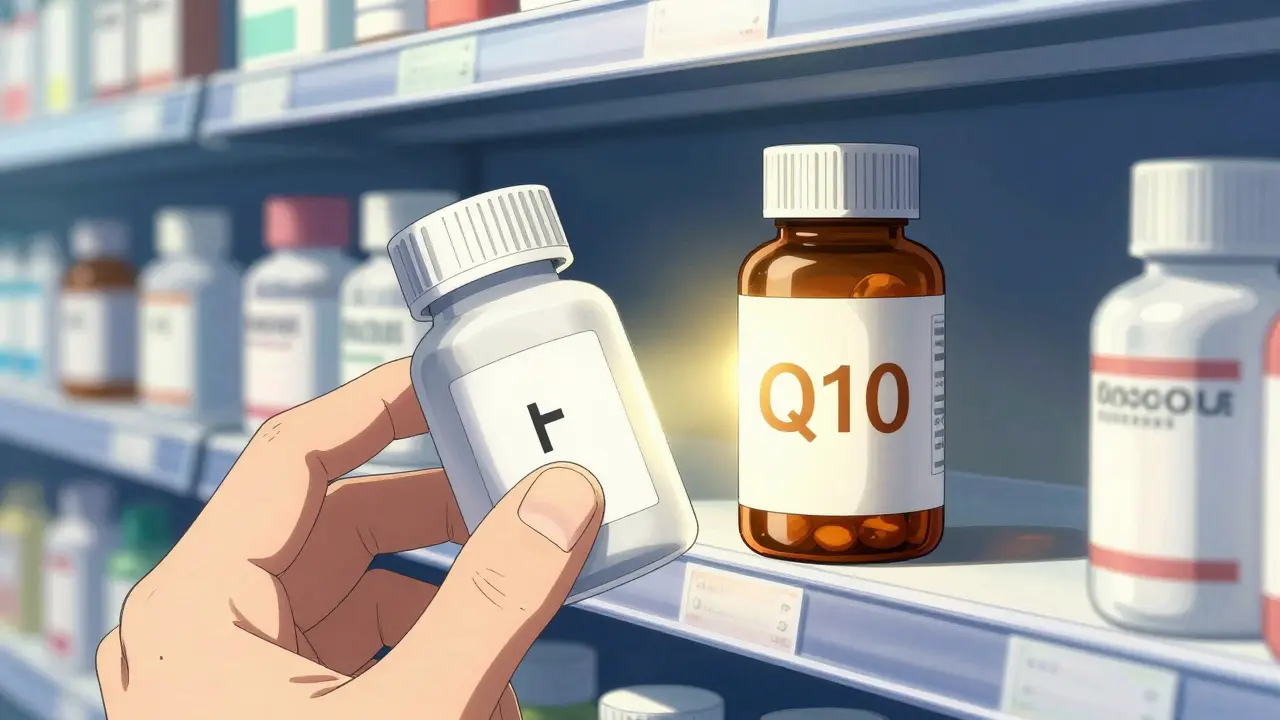
You walk into the pharmacy, pick up your blood pressure pills, and then glance at the supplement shelf. There sits a bottle of Coenzyme Q10a naturally occurring compound that supports mitochondrial energy production and acts as an antioxidant.. Friends say it helps. Online forums say it fixes fatigue. But what if it changes how your heart medicine works?
This isn't just about adding another pill to your daily routine. The relationship between CoQ10 and antihypertensive drugs is messy. Some studies claim it drops pressure; others say it does nothing. If you are managing high blood pressure, understanding this mix is crucial before you pop that capsule.
The Science Behind CoQ10 and Blood Flow
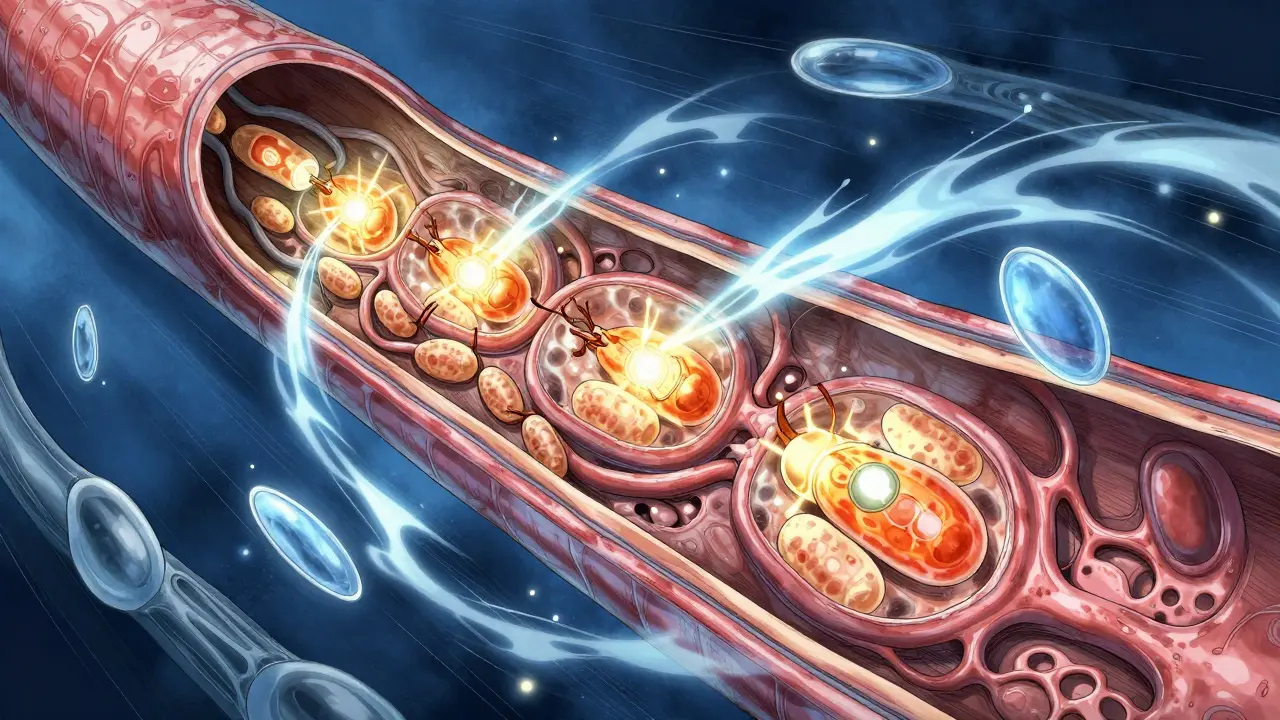
To understand why doctors have different opinions, we need to look at what CoQ10 actually does inside your body. Your cells contain tiny power plants called Mitochondriacellular organelles responsible for producing ATP, the main energy currency of cells.. CoQ10 lives there. It helps transfer electrons so they can make energy without creating too much waste heat.
When researchers talk about blood pressure, they often link CoQ10 to the endothelium. This is the thin layer of tissue lining your blood vessels. If the endothelium gets stiff or inflamed, pressure rises. Because CoQ10 acts as an Antioxidanta substance that protects cells from damage caused by unstable molecules called free radicals., theory suggests it could keep vessels flexible.
In lab settings, low levels of CoQ10 often show up in patients struggling with cardiovascular issues. This observation sparked the idea: if we add more CoQ10 back into the system, maybe pressure goes down. However, moving from a test tube to a living human body brings complications.
Do Clinical Trials Back Up the Hype?
Here is where it gets frustratingly mixed. If you read through medical literature from the last decade, you will see two camps. One side cites meta-analyses showing a modest drop in systolic numbers-around 4 points lower after several months of daily use. The other side points to rigorous reviews that find absolutely no significant change.
A major analysis published around 2019 examined dozens of randomized trials. They found a statistical reduction in pressure, but the variability was huge. That means it might work for one person and do nothing for another sitting next to them. The data quality in many earlier studies was poor, leading experts like those behind the Cochrane Reviewan independent organization that produces systematic reviews of the effects of healthcare interventions. to question the findings.
Despite the noise, newer protocols suggest timing matters. Studies indicating success usually involve doses above 100 milligrams taken consistently for over 8 weeks. Short bursts don't seem to move the needle. Also, the form of the supplement plays a role. You might see bottles labeled Ubiquinolthe reduced, active antioxidant form of Coenzyme Q10 with higher bioavailability. instead of ubiquinone. Your body absorbs ubiquinol better, potentially making a difference in how quickly you reach therapeutic levels.
Why Interactions With Medication Matter
This is the part that most people miss when buying supplements online. Adding a natural product does not mean it behaves like a vitamin. While direct chemical clashes between CoQ10 and heart drugs are rare, functional interactions are real.
If CoQ10 actually lowers blood pressure as claimed, combining it with your prescription creates an additive effect. Imagine taking lisinopril to target 120/80, and CoQ10 drops you another 5 points. Suddenly, you feel dizzy standing up. This isn't a toxic overdose, but it is a safety risk. The Cleveland Clinic notes that monitoring becomes essential exactly because of this possibility.
We also cannot ignore blood thinners. If you take warfarin (Coumadin), be extra cautious. Research has identified instances where CoQ10 counteracts blood-thinning action. It structurally resembles Vitamin K, which warfarin blocks. By mimicking vitamin K pathways, CoQ10 might raise clotting risks. Doctors track this closely using INR tests. One report indicated INR values dropping by 15-25%, forcing dosage adjustments.

Dosing and Administration Guidelines
If you decide to try this under supervision, precision beats guessing. Most standard capsules offer 100 mg, but absorption is tricky. Since CoQ10 loves fat, swallowing it on an empty stomach wastes the money you spent. Always pair it with a meal containing some healthy oil.
Here is a practical plan for those asking their providers:
- Start low (100 mg/day) to observe tolerance.
- Track morning blood pressure twice weekly during the first month.
- Inform your pharmacist about every supplement added.
- Avoid starting new regimens if you have experienced recent hypotension.
- Preferring ubiquinol may improve blood concentration faster.
Be realistic about expectations. Even optimistic studies show small shifts, not cures. Do not stop prescribed medication based on supplement performance alone. Withdrawal from blood pressure control is dangerous and unpredictable.
What Experts Are Saying Right Now
Major organizations remain neutral. The American Heart Associationa leading nonprofit focused on fighting heart disease and stroke. does not currently recommend CoQ10 as a primary treatment for hypertension. Their scientific statements emphasize inconsistent evidence quality. They prefer sticking to proven diet and drug therapies first.
In Europe, things differ slightly. Japan approved CoQ10 as an adjunctive treatment decades ago, acknowledging its role alongside standard care. This regional split highlights how much research is still needed. Ongoing clinical trials in 2024 and 2025 continue to examine long-term outcomes, particularly regarding major adverse cardiac events.
For now, treat CoQ10 as a supportive player, not the captain. It fits well for people on statins who suffer muscle pain, helping replace what the cholesterol blocker depletes. For pure hypertension management, the verdict leans toward "maybe, but check first." Safety checks cost time and blood draws, but they prevent hospital visits later.
Does CoQ10 lower blood pressure significantly?
Research shows mixed results. Some meta-analyses suggest a modest drop of 3-5 mmHg in systolic pressure, while stricter reviews like the Cochrane database find insufficient evidence for a clinically significant effect. Individual response varies widely.
Can I take CoQ10 with Warfarin?
Proceed with extreme caution. CoQ10 contains a structure similar to Vitamin K, which may interfere with Warfarin’s mechanism. This can lead to decreased anticoagulant effect and higher clot risk. Consult your doctor and monitor INR levels frequently.
What is the difference between Ubiquinol and Ubiquinone?
Ubiquinone is the oxidized form found in most standard supplements, while Ubiquinol is the reduced, active form. Ubiquinol generally has 2 to 4 times better bioavailability, meaning it enters the bloodstream more efficiently at lower doses.
How soon do I see effects on blood pressure?
Most positive studies indicate that any noticeable effects require at least 8 to 12 weeks of daily supplementation. Shorter durations rarely show statistically significant changes in vascular resistance.
Is CoQ10 safe for elderly patients on multiple meds?
It is generally considered safe, but the risk lies in the additive hypotensive effect. Older adults may experience dizziness or fainting if combined with strong antihypertensives. Medical supervision and regular blood pressure checks are mandatory.
Will Baker
April 1, 2026 AT 18:30Yeah sure keep trusting random forums over actual doctors.
Dee McDonald
April 3, 2026 AT 08:28LISTEN UP everyone needs to stop guessing and start testing! I know people who swear by ubiquinol forms! Do not let fear stop you from optimizing your health game! Take charge of your own biology today!
Sam Hayes
April 4, 2026 AT 06:47i mean just take it with some avocado or olive oil dont skip that step because otherwise its basically useless money wasted honestly
Vicki Marinker
April 4, 2026 AT 08:59The evidence presented here is inconclusive at best. Many supplements lack rigorous peer review standards. Consumers must exercise extreme caution regarding dosage levels.
The Charlotte Moms Blog
April 5, 2026 AT 01:07Please do not ignore the warnings! ! Warfarin is serious medicine!!! You could bleed out if you are not careful!!!! Consultants say so!!!
Aysha Hind
April 6, 2026 AT 17:17Big Pharma surely has a stake in this narrative. They prefer expensive pills over cheap plant compounds. It is a calculated suppression of natural healing pathways. Your veins deserve better protection than synthetic sludge.
Lawrence Rimmer
April 8, 2026 AT 17:16Everything is relative in this grand scheme. Why fight the pressure when gravity pulls us down anyway? Medicine is just a temporary bandage on an old wound. Perhaps suffering is the lesson we avoid.
Hudson Nascimento Santos
April 10, 2026 AT 16:43It is fascinating how we search for external validation through vitamins. Our bodies were designed to function autonomously without intervention. Yet modern society treats biological processes like software updates. We patch the system hoping for better performance metrics. Taking CoQ10 feels like trying to hack our internal energy grid. But we ignore the fundamental wiring issues of stress and sleep. A single capsule cannot undo years of poor lifestyle choices. Nor does it replace the necessity of fresh air and movement. This entire discussion centers on misplaced trust mechanisms. We oscillate between total denial and hyper-fixation easily. True wellness requires a holistic integration of mind and matter. Scientific studies offer data points rather than absolute answers. We must accept the uncertainty inherent in human biology. Blind faith in either chemicals or cures creates imbalance. Ultimately we are responsible for our own internal state management.
Dipankar Das
April 11, 2026 AT 00:47It is imperative that you maintain strict oversight of your intake protocols. Medical supervision is not optional for high-risk patients. Compliance with established guidelines ensures optimal physiological outcomes. Negligence leads to preventable complications.