

The Two Giants of Pediatric Fever Care
When your child runs a fever, panic sets in quickly. You grab the thermometer, check the number, and then face the pharmacy shelf. There are really only two choices that doctors consistently recommend for kids. On the left, you have Acetaminophen, often known as paracetamol in many parts of the world including South Africa. It has been around since the late 19th century. On the right, there is Ibuprofen. This non-steroidal anti-inflammatory drug (NSAID) arrived later, in the mid-20th century. While both lower body temperature, understanding the nuances between them can mean the difference between a comfortable recovery and a trip to the emergency room.
Parents often assume these medicines are interchangeable. They aren't. A study published in American Family Physician in 2021 reviewed over 85 studies. The verdict was clear: ibuprofen tends to lower fevers slightly better, but acetaminophen remains the go-to for very young infants. Safety isn't just about the drug itself; it is largely about how you dose it and when you give it. Misunderstanding these factors leads to significant medical errors every year.
Age Limits and Physiological Readiness
The most critical rule in pediatric medication is age eligibility. Newborns have immature liver and kidney functions. Their bodies cannot process medications the same way a toddler's body does. Consequently, the American Academy of Pediatrics (AAP) establishes strict boundaries. You should never give acetaminophen to a baby younger than three months without explicit doctor approval. Ibuprofen comes with an even stricter warning: keep it away from infants under six months. This restriction isn't arbitrary. It relates to renal blood flow. In babies under six months, ibuprofen can cause acute kidney injury because their kidneys haven't developed the filtration capacity yet.
Beyond simple age, weight plays a massive role. A heavy four-month-old might actually metabolize medication differently than a small six-month-old. Many dosing charts found on medicine bottles rely solely on age. Research from Boston Children's Hospital indicates that using weight-based calculations is significantly more accurate. Dosing based purely on age accounts for roughly 68% of medication errors in children under two years. Always verify the weight-based dosage before administering a liquid solution.
| Metric | Acetaminophen | Ibuprofen |
|---|---|---|
| Minimum Age | 2 months (sometimes 3) | 6 months |
| Primary Organ Risk | Liver toxicity | Kidney strain |
| Dosing Interval | Every 4-6 hours | Every 6-8 hours |
| Max Daily Dose | 75 mg/kg | 40 mg/kg |
| Onset of Action | 30-60 minutes | 1-2 hours |
Looking at the data above, you can see why timing matters. If you wait too long between doses, the fever might spike again. If you space them out incorrectly, you overdose. Both drugs have different half-lives. Acetaminophen clears the system in about 3 hours. Ibuprofen stays active for roughly 2 hours but lasts longer due to its sustained-release properties. For persistent fevers that refuse to break, parents sometimes consider alternating the two. However, experts generally advise against this unless you have a solid plan written down by your pediatrician. The math gets confusing easily, and mixing schedules increases the risk of accidentally overdosing one component.
Efficacy: Which Lowers Temperature Faster?
We know parents want the fever gone. Studies consistently show ibuprofen has a slight edge here. A meta-analysis noted that children given ibuprofen were more likely to be completely fever-free after four hours compared to those on acetaminophen. The Odds Ratio hovered around 1.86, meaning the benefit is real but not miraculous. The Number Needed to Treat (NNT) was eight. Put simply, for every eight children treated with ibuprofen instead of acetaminophen, one child will become afebrile sooner who otherwise wouldn't have.
Pain relief tells a slightly different story. When a child has pain-say, from teething or an ear infection-the gap narrows. Both agents provide comparable relief at the 2-hour and 4-hour marks. Some evidence suggests ibuprofen works better for inflammation-induced pain, while acetaminophen handles generalized headache-type discomfort well. If your child is dehydrated, avoid ibuprofen temporarily. Dehydration puts stress on the kidneys, and adding an NSAID to the mix can trigger Acute Kidney Injury. Stick to acetaminophen until hydration improves.
Navigating Side Effects and Long-Term Health
Safety profiles extend beyond immediate reactions. We need to talk about organ health. Acetaminophen carries a black box warning regarding liver failure, though this is rare with proper dosing. It becomes dangerous primarily when mixed with alcohol or other cold medicines containing hidden acetaminophen. The liver processes paracetamol through an enzyme system that produces toxic byproducts in high doses. That is why sticking to 15 mg per kilogram is a hard limit.
Ibuprofen poses risks to the stomach lining. It inhibits prostaglandins that protect the stomach. While common in adults, gastrointestinal upset in children manifests as vomiting or diarrhea. Community feedback from parenting forums shows roughly 32% of parents noticed mild stomach upset with ibuprofen versus 15% with acetaminophen. Furthermore, there is ongoing debate about immune response. Recent discussions, including reviews in the European Respiratory Journal, suggest a potential link between frequent early acetaminophen exposure and childhood asthma development. The risk ratio is approximately 1.6 times higher. While causality isn't proven, it keeps many immunologists cautious about unnecessary use.

The Danger of Combination Products
A massive pitfall for families involves combination cold remedies. Many multi-symptom syrups contain both acetaminophen and dextromethorphan or pseudoephedrine. If you give one of those and then add a separate dose of plain acetaminophen, the cumulative total hits the liver limit instantly. In 2021, nearly 29% of pediatric acetaminophen-related injuries involved accidental double-dosing from combo products. Always read the active ingredients label. Look for "APAP" or "Phenacetin." These are the chemical names. If you find them on two different boxes, do not combine them.
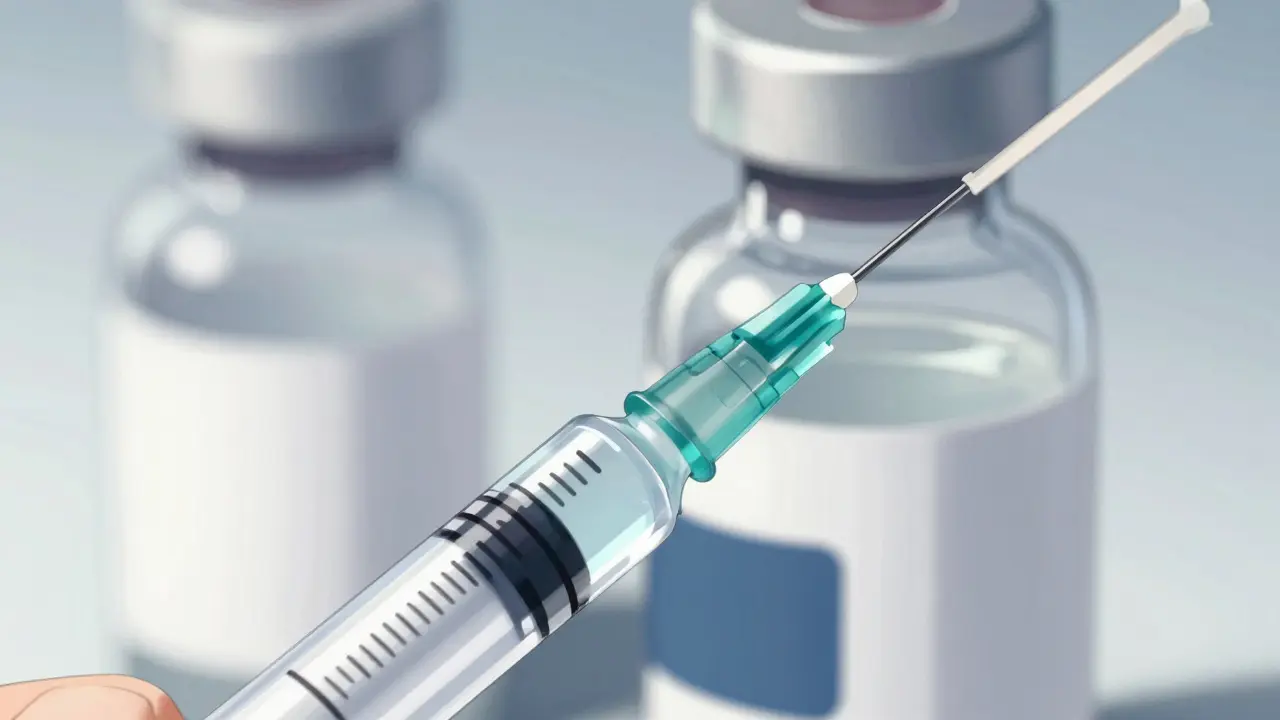
Dosing tools also matter immensely. The FDA mandated changes to bottle concentrations in 2011 to reduce confusion. Infant drops are now typically 160 mg per 5 mL. Older bottles might still exist in some homes, labeled 80 mg per 0.8 mL. Using a tablespoon instead of the provided syringe leads to inaccurate volume delivery. A standard teaspoon holds about 5 mL, but household spoons vary wildly. Relying on kitchenware introduces up to 20% variance in dosage. Always use the calibrated device provided in the package or a dedicated oral syringe marked in milliliters.
Alternating Medications: The Controversy
You might hear other parents say they alternate meds when fevers get stubborn. Medical literature presents conflicting views. The American Academy of Family Physicians issued a green recommendation for ibuprofen monotherapy in children under two. However, clinical practice varies. Some protocols suggest giving acetaminophen, then 6 hours later ibuprofen. This creates a staggered schedule. The logic is sound-using two mechanisms might keep the temperature down smoother. The reality is messier. Tracking intake logs becomes essential. Parents often forget what they gave last, leading to overlap. If you choose this route, write everything down on a chart. Never exceed the daily maximum for either drug.
Can I give ibuprofen to a 4-month-old?
No. Ibuprofen is generally not recommended for infants younger than six months. Their kidney function is not mature enough to handle the medication safely. Consult your pediatrician first.
How much Tylenol can my child have?
The standard dose is 10-15 mg per kilogram of body weight every 4 to 6 hours. Do not exceed 75 mg per kilogram in a 24-hour period. Always calculate based on weight, not age.
Is it safe to alternate fever reducers?
It can be done, but it requires strict scheduling. The AAP advises against it for routine fevers due to the risk of dosing errors. If you must alternate, maintain a detailed log of every dose taken.
What signs indicate a medication overdose?
Watch for extreme sleepiness, vomiting, loss of appetite, or pale skin. If you suspect an overdose, contact poison control immediately. Symptoms of acetaminophen overdose might not appear until 24 hours later.
Does brand name matter for safety?
Generic versions meet the same FDA standards as brands like Children's Tylenol or Motrin. However, concentration differences between brands exist. Always read the mg/mL label on the back bottle.
Adryan Brown
March 31, 2026 AT 22:35It really bothers me how many parents still rely on age charts when their child weighs significantly less than the average. The liver processing enzymes develop at different rates depending on overall body mass and hydration status which are critical factors often overlooked. You see accidents happen because someone grabs the bottle meant for toddlers and pours it into a baby under six months without checking the weight. I remember my cousin accidentally giving double strength infant drops thinking they were standard liquid suspension because she didn't read the concentration label. The difference between sixteen milligrams per five milliliters and eighty milligrams per point eight milliliters is staggering when you calculate the final dosage per kilogram. Safety isn't just about following the doctor's order but understanding why that order exists in the first place to prevent organ damage. Kidneys filter waste differently in infants compared to adults so the clearance rate changes dramatically over those first twelve months of life. Acute kidney injury is a real risk we ignore at our own peril and ibuprofen carries significant strain on renal function during dehydration episodes. It makes sense to keep track of every milligram given so you can visualize the accumulation over a twenty-four hour period effectively. Parents should write down the exact time and amount in a notebook right next to the medicine cabinet for emergency reference. Mixing schedules creates confusion that leads to overdosing which causes irreversible harm to young developing organs quite easily. We need to stop normalizing casual fever management without proper education on pharmacokinetics. Every single dose matters when you consider the maximum daily limit is seventy-five milligrams per kilogram total. Ignoring this basic math leads to hospital visits that could have been prevented with simple arithmetic skills. The article states clearly that weight is key yet people skim past that section entirely because they panic during illness spikes. Medical nuance is vital because bodies process toxins differently depending on nutritional intake levels.
Vikash Ranjan
April 1, 2026 AT 09:01You act like these rules work perfectly in every situation regardless of individual genetics.
It is arrogant to claim universal application when metabolic pathways vary wildly across demographics.
Biraju Shah
April 1, 2026 AT 17:01There is absolutely no room for error when dealing with acetaminophen toxicity levels in children because liver failure develops silently before symptoms appear. Parents need to understand that mixing cold medications is the primary cause of accidental poisoning cases reported in recent years. The data shows nearly thirty percent of injuries come from combo syrups containing hidden active ingredients that people do not check carefully.
Rick Jackson
April 2, 2026 AT 21:00Sometimes the simplest advice gets lost in all the technical details about pharmacology.
Beccy Smart
April 2, 2026 AT 22:15So frustrating seeing parents claim ignorance about drug interactions when the warnings are printed plainly on every single box 🤦♀️. Ignorance isn't cute anymore and taking care of your kids requires actual effort on behalf of the caregiver 💪. Stop blaming bad labeling and start taking responsibility for what you put into your child's system 🛑. Health officials aren't asking for much just basic diligence regarding dosage amounts and timing intervals ⏰.
sanatan kaushik
April 4, 2026 AT 06:52Parents just want the heat gone fast but they forget the kidneys break if you push too hard.
Debbie Fradin
April 4, 2026 AT 09:21Finally someone mentions the potential immune response issues that manufacturers conveniently leave off the back of the bottle. Most parents think tylenol is harmless sugar water until their kid ends up in the ICU with respiratory problems later on. It is laughable how we dose based on calendar age when biology operates on actual physiological maturity levels.
Jonathan Alexander
April 5, 2026 AT 13:27The anxiety of holding a thermometer and seeing that red number climb higher is truly terrifying for any mother or father.
Charles Rogers
April 5, 2026 AT 16:55Those who refuse to follow the black box warnings are basically gambling with the future health of their offspring without realizing the odds. Genuine ignorance regarding the half-life differences between drugs causes the majority of toxic exposure incidents in pediatric wards today. You cannot separate personal anecdote from clinical evidence when determining safe administration windows accurately.