
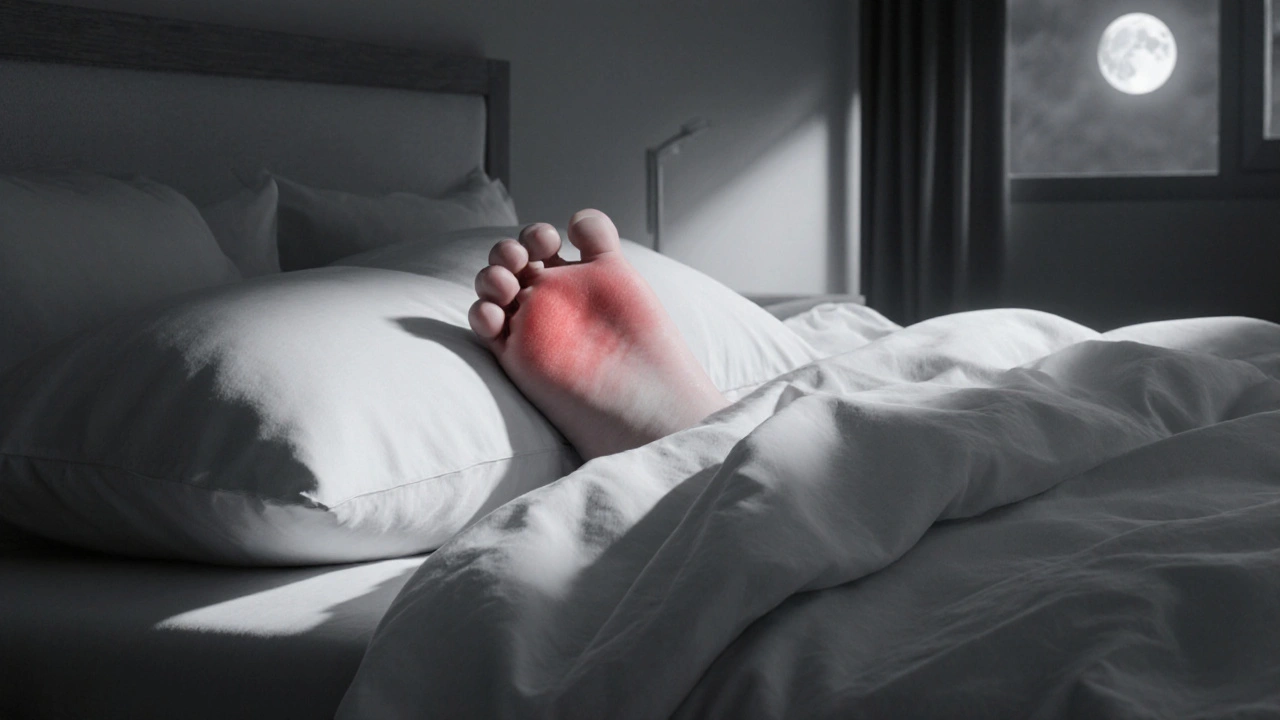
When Gout is described as a form of arthritis that flares up suddenly, most people picture swollen big toes and painful joints. What they often forget is that those flare‑ups don’t just stop at the bedroom door - they can hijack your sleep quality too. In this guide we’ll unpack why gout messes with your rest, what signs to watch for, and practical steps you can take to calm the night‑time pain.
Why Gout Messes With Your Sleep
Gout attacks are driven by high levels of uric acid that crystallize in joints. Those tiny crystals trigger inflammation, sending pain signals to the brain. At night, the body’s natural anti‑inflammatory hormones dip, making flare‑ups feel louder and more uncomfortable. Add to that the fact that blood flow slows when you lie down, so the affected joint stays swollen longer.
Typical Night‑Time Symptoms
- Sharp, throbbing pain that peaks within a few hours of bedtime.
- Redness, warmth, and swelling around the joint - most commonly the big toe, ankle, or knee.
- Difficulty finding a comfortable position, leading to frequent tossing and turning.
- Waking up multiple times to stretch or massage the painful area.
These symptoms often mimic insomnia caused by stress or caffeine, but the key difference is the localized joint pain.
How Poor Sleep Feeds Back Into Gout
Sleep isn’t just a passive state - it’s when the body repairs tissues and regulates hormones. When gout keeps you up, you miss out on deep‑slow wave sleep, which is crucial for flushing excess uric acid through the kidneys. Less sleep means higher cortisol levels, which can increase purine breakdown and raise uric‑acid production. In short, a bad night can set the stage for the next flare‑up.
Medical Options to Keep Night Pain at Bay
Doctors have a few weapons in the arsenal:
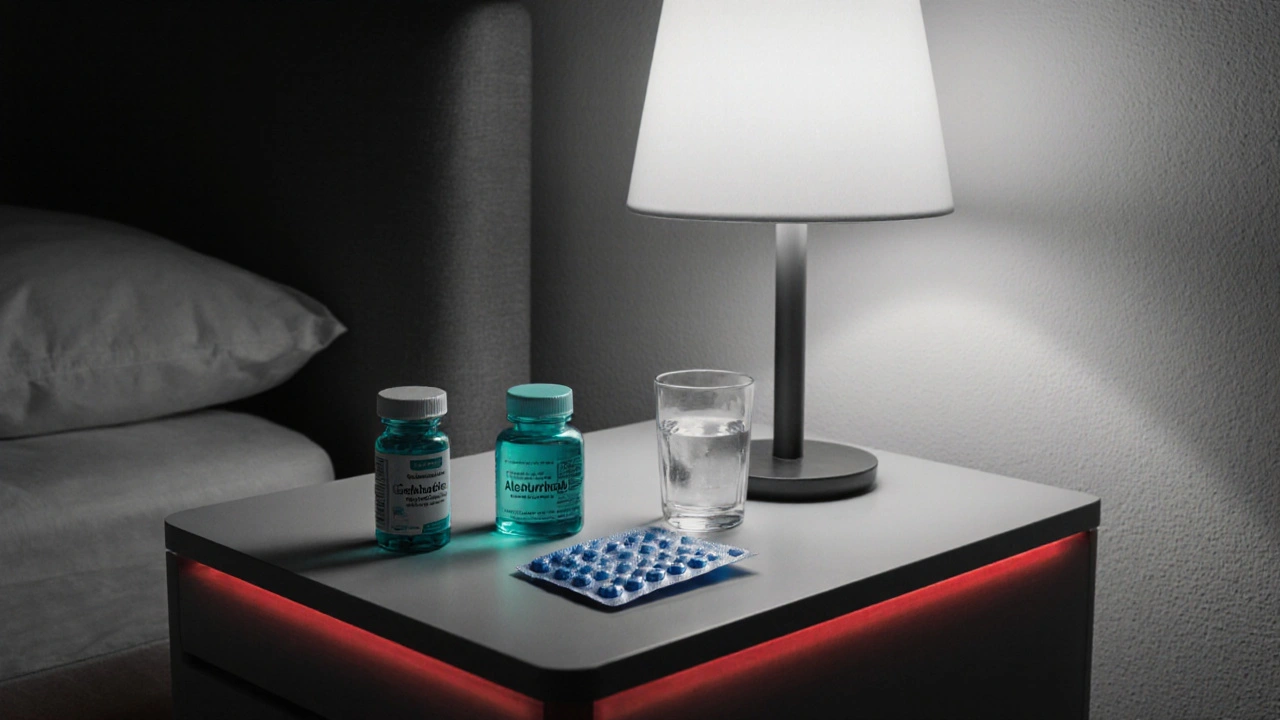
- Colchicine - works fast to block crystal‑induced inflammation. Taking a low dose before bed can blunt a looming attack.
- Allopurinol - a long‑term uric‑acid reducer. Consistency is key; steady levels keep crystals from forming in the first place.
- Non‑steroidal anti‑inflammatory drugs (NSAIDs) such as ibuprofen - useful for a sudden flare, but should be used under medical guidance.
Always discuss dosage and timing with your physician, especially if you have kidney issues or are on other meds.
Lifestyle Tweaks for Better Rest
Beyond pills, you can adopt habits that calm gout and improve sleep:
- Hydrate well. Aim for at least 2‑3 liters of water daily; urine dilution helps flush uric acid.
- Watch dietary purines. Cut back on red meat, organ meats, and shellfish. Swap for low‑purine proteins like beans or tofu.
- Limit alcohol and sugary drinks. Beer and high‑fructose beverages raise uric acid dramatically.
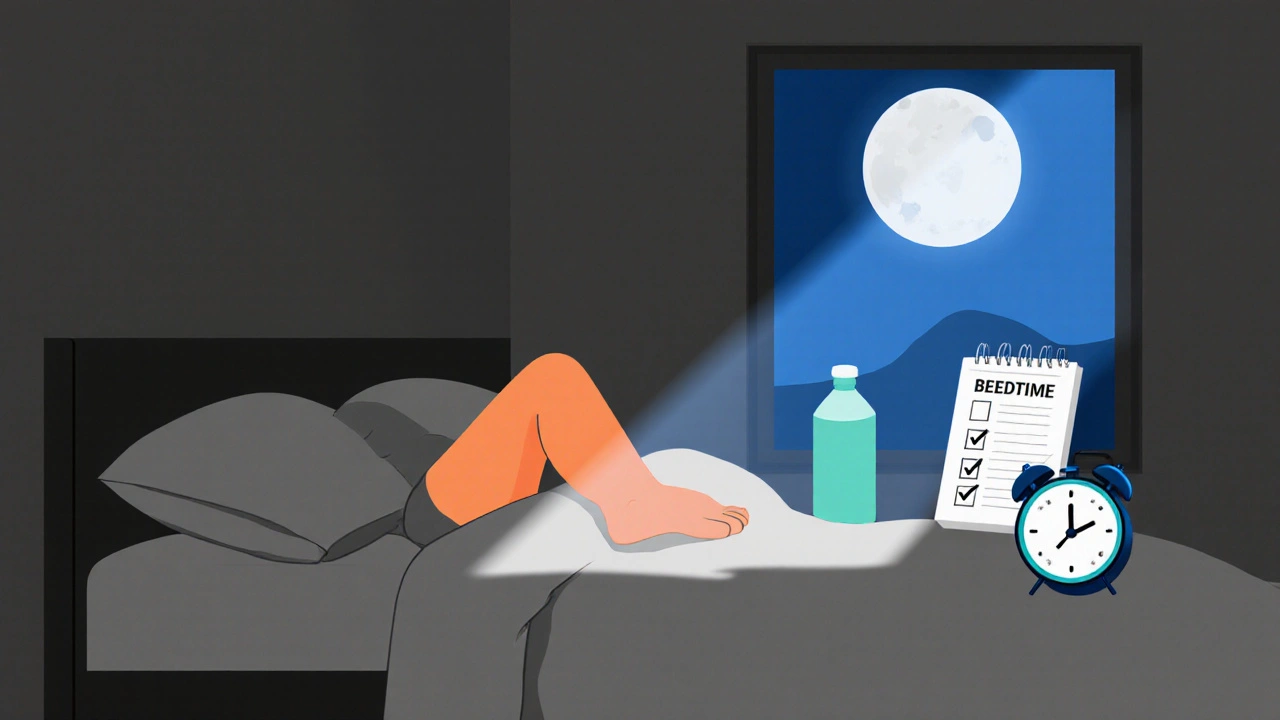
- Elevate the affected limb. Prop up the painful joint with a pillow while you sleep to reduce swelling.
- Cold compress before bed. A 10‑minute ice pack can numb the area and shrink inflammation.
- Maintain a consistent sleep schedule. Going to bed and waking up at the same time trains your body’s anti‑inflammatory rhythm.
Comparison: Gout‑Related Sleep Disruption vs. Other Arthritis
| Condition | Typical Night Pain | Trigger Frequency | Best Night‑time Remedy |
|---|---|---|---|
| Gout | Sharp, localized, often in big toe | Sudden spikes, linked to diet & dehydration | Colchicine + hydration |
| Rheumatoid Arthritis | Dull, joint‑wide stiffness | Chronic, worsens with inactivity | DMARDs + warm bath |
| Osteoarthritis | Achy, worsens after activity | Gradual progression | NSAIDs + joint support pillow |
| Psoriatic Arthritis | Variable pain, may involve fingertips | Intermittent flares | Biologics + skin care routine |
Notice how gout’s pain spikes are more abrupt and often tied to recent meals or alcohol. That makes timing of medication (like colchicine) crucial for a good night’s rest.
When to Seek Professional Help
If you find yourself waking up more than three nights a week with severe joint pain, or if swelling doesn’t improve after 48hours of home care, it’s time to call your doctor. Persistent sleep loss can lead to high blood pressure, weight gain, and even depression - all of which can worsen gout in a vicious cycle.
Quick Checklist for Gout‑Friendly Sleep
- Drink 2‑3L of water daily.
- Limit purine‑rich foods and alcohol after 5PM.
- Take prescribed colchicine 30minutes before bedtime if you’re prone to night attacks.
- Elevate the painful joint and apply ice for 10minutes before sleep.
- Stick to a consistent bedtime routine (no screens 1hour before lights‑out).
- Track flare‑ups in a journal to spot patterns.
Frequently Asked Questions
Can gout cause chronic insomnia?
Gout itself doesn’t cause insomnia directly, but repeated night‑time flare‑ups can lead to chronic sleep disruption. Managing uric‑acid levels and using night‑time medication can break the cycle.
Is it safe to take NSAIDs right before bed?
Occasional NSAIDs are okay for most adults, but they can irritate the stomach and affect kidney function, especially if taken nightly. Talk to your doctor about the safest timing.
How much water should I drink to help gout at night?
Aim for about 2‑3liters (8‑12 cups) spread throughout the day. A glass before bedtime helps keep urine diluted, which promotes uric‑acid excretion.
Do dietary changes affect sleep quality for gout patients?
Yes. Reducing purine‑rich foods and cutting alcohol lowers uric‑acid spikes, which reduces the chance of night‑time attacks and consequently improves sleep.
Can a warm bath help with gout pain before sleep?
A warm (not hot) bath can relax muscles and improve circulation, but it may temporarily increase swelling. If you notice more puffiness, switch to a cold compress instead.
Deb Kovach
October 16, 2025 AT 13:26Hydration really is the cornerstone – aim for a steady stream of water throughout the day so your kidneys can excrete uric acid efficiently. A good tip is to keep a reusable bottle at your bedside and sip a few ounces before you drift off; it can prevent that early‑night concentration spike. Also, try to elevate the affected foot with a pillow; even a modest lift reduces swelling and eases the pressure that wakes you up. If you’re already on colchicine, taking a low‑dose about 30 minutes before sleep can blunt the inflammatory surge. And don’t forget a short, gentle stretch routine – it promotes circulation without over‑exerting the joint. 😊
Richa Ajrekar
November 2, 2025 AT 09:59One minor correction: the article says "drink 2‑3L of water daily" – grammatically it should be "2–3 L" with an en‑dash, and "liters" is preferable in formal writing. Also, while the advice is solid, the phrase "limit purine‑rich foods and alcohol after 5PM" could be clearer; a better form would be "avoid purine‑rich foods and alcohol after 5 p.m.".
Pramod Hingmang
November 19, 2025 AT 07:33Imagine the pain as a sudden, bright flare‑up that steals your peace; the body’s anti‑inflammatory lull at night only makes that flare scream louder. Elevating the joint is like giving the soreness a gentle sigh, while a cold compress acts as a calming whisper. Keeping a sleep journal can reveal the hidden patterns – maybe that extra glass of beer on Thursday is the culprit. A consistent bedtime routine trains your hormones to swing into anti‑inflammatory mode just when you need it. Simple habits, big impact.
Benjamin Hamel
December 6, 2025 AT 05:06While many readers will nod along with the standard advice, there’s a deeper layer worth exploring. First, the timing of colchicine isn’t just a matter of convenience; its half‑life aligns with the circadian dip in cortisol, meaning a pre‑bed dose can actually synchronize with your body’s natural anti‑inflammatory rhythm. Second, the common recommendation to “drink 2–3 L of water” ignores individual kidney function – patients with compromised renal clearance should aim for a gentler increase, perhaps 1.5 L, to avoid over‑hydration and electrolyte imbalance. Third, the dietary purine discussion often crops up with a blanket ban on red meat, yet studies show that moderate lean beef consumption, when balanced with plant‑based proteins, does not drastically elevate uric acid in the long term. Fourth, alcohol’s impact is nuanced; while beer is a clear offender due to its guanosine content, moderate wine intake may be tolerated if paired with ample hydration. Fifth, sleep architecture itself is a neglected variable – deep slow‑wave sleep (stage 3) is when the body most effectively clears metabolic waste, including uric acid, via the glymphatic system. Optimizing sleep by maintaining a cool bedroom temperature (around 18 °C) can enhance this clearance pathway. Sixth, the role of magnesium supplementation is emerging; magnesium aids in the enzymatic breakdown of purines and can modestly lower serum uric acid, but doses above 400 mg may cause gastrointestinal upset. Seventh, for patients on NSAIDs, consider a timed-release formulation taken with a light snack to minimize gastric irritation while still delivering anti‑inflammatory action during the night. Eighth, the use of a low‑intensity yoga routine before bed not only reduces stress hormones but also improves joint mobility, which can lessen nocturnal stiffness. Ninth, monitoring nighttime uric acid levels via a home test strip, though not as accurate as lab work, can give immediate feedback on whether your evening habits are paying off. Tenth, engaging in a brief mindfulness meditation for five minutes can lower cortisol, indirectly reducing purine turnover. Eleventh, if you experience recurrent night attacks despite all these measures, a rheumatologist might consider a low‑dose prophylactic allopurinol adjustment. Twelfth, be aware of drug interactions – colchicine combined with certain antibiotics can increase toxicity, so always double‑check with your pharmacist. Thirteenth, chronic sleep deprivation itself drives insulin resistance, which can elevate uric acid production, creating a vicious feedback loop. Fourteenth, a modest increase in dietary fiber, especially from soluble sources like oats, can improve renal excretion of uric acid. Lastly, remember that stress management, proper hydration, and timed medication are the triumvirate that, when harmonized, can finally give you the uninterrupted sleep you deserve.
Christian James Wood
December 23, 2025 AT 02:39Interesting that you packed fifteen points into one post – it reads like a medical manifesto. Yet the sheer volume can overwhelm readers who just want a quick fix for restless nights. Some of those suggestions, like magnesium supplementation, lack robust clinical backing and could mislead vulnerable patients. Also, the insistence on cold compresses forgets that certain individuals experience paradoxical worsening of pain with extreme cold.
Rebecca Ebstein
January 9, 2026 AT 00:13OMG this is sooo helpful! I love the tip about a bedtime water bottle – I always forget to drink before I crash 😅. Also, the vibe about keeping a journal is real – I started one and actually saw my flares drop. Keep the good stuff comin!
Artie Alex
January 25, 2026 AT 21:46From a pathophysiological perspective, the interplay between nocturnal hypoglycemia and uric acid precipitation warrants further elucidation. Moreover, the pharmacokinetic profile of colchicine under circadian modulation could be optimized via chronotherapy, a concept conspicuously absent from mainstream discourse. In addition, the recommended elevation angle of the limb should be quantified – a 30‑degree incline may maximize venous return without compromising comfort.
abigail loterina
February 11, 2026 AT 19:19Hey there, just wanted to say great job pulling all these tips together. If you’re ever looking for a buddy to share a low‑purine recipe, let me know – I have a tasty chickpea stir‑fry that’s gentle on the joints.
Roger Cole
February 28, 2026 AT 16:53Sounds solid.
Krishna Garimella
March 17, 2026 AT 14:26Think of your night‑time routine as a meditation on balance. The body, mind, and joints are a triad that thrives on rhythm – water, rest, and mindful movement. By aligning your evening with nature’s cadence, you not only soothe the gout but also cultivate a deeper serenity that radiates into your waking hours.
nalina Rajkumar
April 3, 2026 AT 12:59👍 Great info! I’ll definitely try the ice pack before bed. Thanks for sharing! 😊