
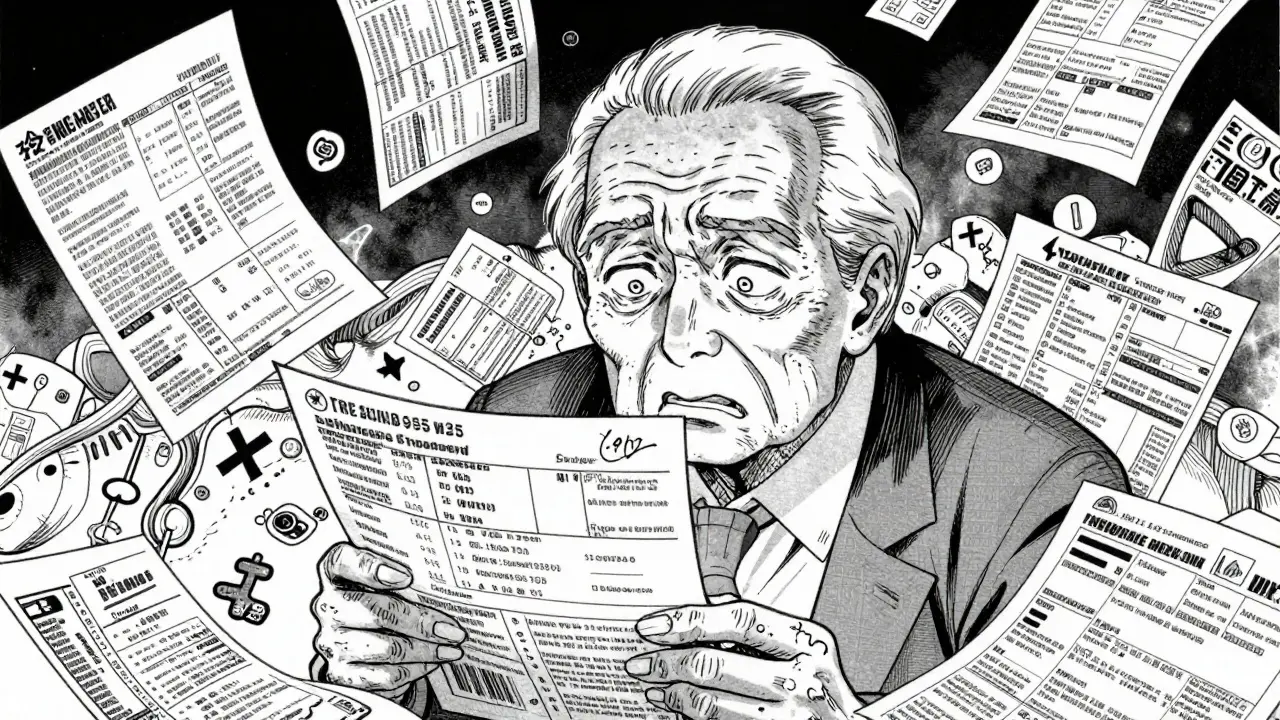
Key Takeaways for Your Wallet
- The annual out-of-pocket spending cap is now $2,000, a massive drop from previous years.
- Generic drugs make up about 84% of prescriptions but only 27% of the total spending.
- Preferred generics often cost around $10 for a 30-day supply.
- Low-income beneficiaries can get generics for as little as $0 to $4.50.
The New Math of Prescription Costs
Let's be real: the old Medicare drug structure was a maze. You had deductibles, a "donut hole," and then finally catastrophic coverage. The Inflation Reduction Act (IRA) basically tore that map up and gave us a simpler one starting in 2025. The biggest win? The Medicare Part D generics landscape is now anchored by a $2,000 out-of-pocket (OOP) cap.
Here is how it actually works in your daily life. First, you hit your deductible-capped at $590 for 2025. After that, you enter the initial coverage phase where you typically pay a 25% coinsurance for generics. Once your total spending hits that $2,000 mark, you enter the catastrophic phase. From that moment until the end of the calendar year, your copays for covered drugs drop to $0. For someone on a high-cost generic regimen, this is a 75% reduction in maximum potential spending compared to the old system.
Comparing Your Plan Options: PDP vs. MA-PD
Not all Part D coverage looks the same. You're likely either in a stand-alone Prescription Drug Plan (PDP) or a Medicare Advantage Prescription Drug plan (MA-PD). While the copay for a generic pill might be the same $10 at the pharmacy counter, the monthly "subscription fee" for the plan varies wildly.
| Feature | Stand-alone PDP | Medicare Advantage (MA-PD) |
|---|---|---|
| Average Monthly Premium | ~$39 | ~$7 |
| Median Generic Copay | ~$10 (30-day supply) | ~$10 (30-day supply) |
| Annual Deductible Exposure | 85% of enrollees | 60% of enrollees |
| OOP Cap (2025) | $2,000 | $2,000 |
If you're looking at the numbers, MA-PDs seem like a steal because of the lower premiums. However, keep an eye on the network. Some stand-alone plans might have a broader list of "preferred pharmacies" where those $10 generics are actually available.
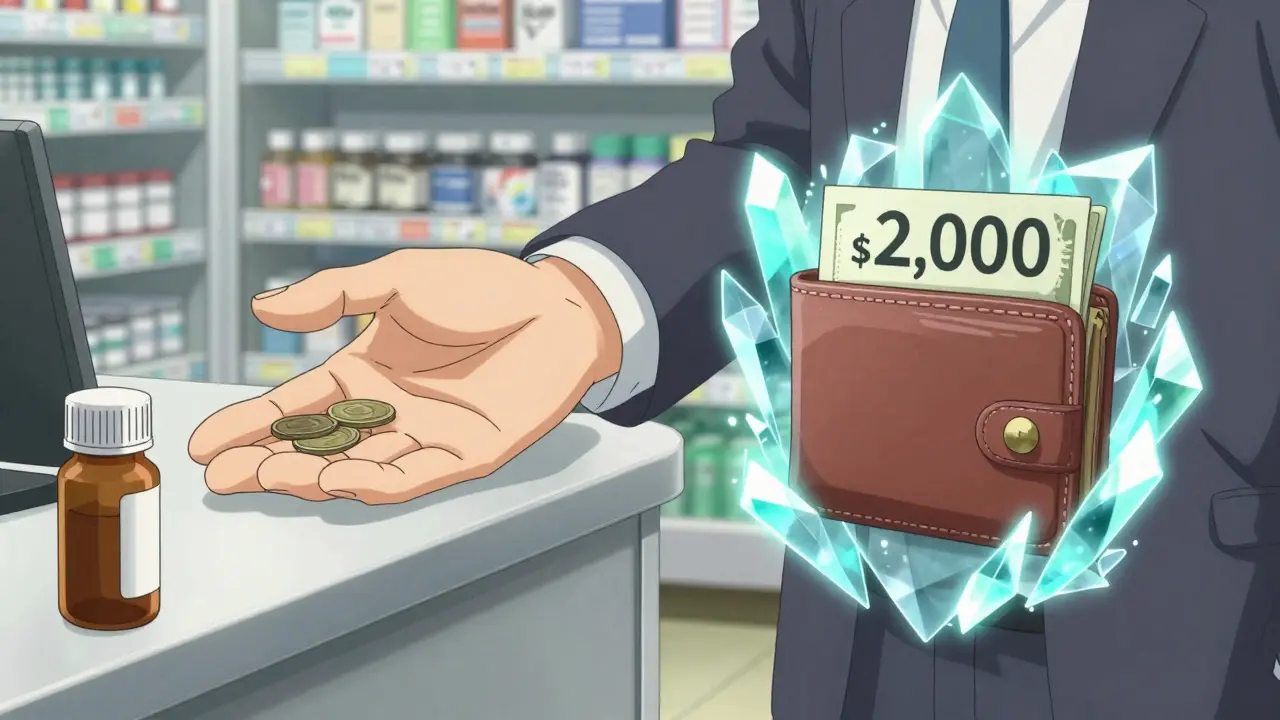
The "Catch" With Generic Formularies
It sounds great on paper, but the pharmacy counter is where the friction happens. A Formulary is just a fancy word for the list of drugs your plan agrees to cover. To keep costs down, insurance companies use a few tactics that can be frustrating.
First, there's "therapeutic interchange." This is when your plan tells you, "We won't cover Generic A, but we'll cover Generic B because it does the same thing." While this saves the system money, it can sometimes lead to a higher copay if the substitute is in a different tier. Second, be wary of "step therapy." This is a requirement where you must try a cheaper generic version of a drug before the plan will agree to pay for a more expensive one, even if your doctor thinks the expensive one is better for you.
It's also worth noting that Part D is sometimes stricter than commercial insurance. Some reports show that Medicare plans use more prior authorizations for generics than private company plans do. If your pharmacist tells you the insurance is blocking a generic, it's time to call your doctor and ask for a "formulary exception."
Maximizing Savings: Pro Tips for Beneficiaries
You don't have to just accept whatever price the pharmacy screen shows. There are ways to drive your costs even lower. If you have a low income, you should immediately check if you qualify for the Low-Income Subsidy, also known as "Extra Help." This program is a game-changer: it wipes out your deductible and drops your generic copays to somewhere between $0 and $4.50.
For everyone else, the Medicare Plan Finder tool is your best weapon. Don't just trust the plan you had last year. Every October, the tool updates. Since generic lists change, a plan that was cheap for your blood pressure meds in 2025 might be expensive in 2026. When using the tool, don't just look at the premium; look at the "Total Estimated Annual Cost," which adds your premium to your expected copays.

What's Next for Generic Drug Costs?
The shift toward generics isn't stopping. We are seeing a huge rise in Biosimilars-which are essentially generic versions of complex biological drugs. By 2028, these could take over 35% of the biologics market, bringing massive savings to people treating autoimmune diseases or cancer.
Additionally, a new program launching in 2026 called the Selected Drug Subsidy Program will help plans reduce their liability for high-cost generics. While this is mostly a backend financial move for insurance companies, it's designed to prevent plans from getting too restrictive with their formularies. In short, the trend is moving toward more access and fewer surprise bills.
What is the difference between a generic drug and a brand-name drug in Part D?
A generic drug has the same active ingredient, strength, and dosage form as a brand-name drug. In Part D, generics are almost always placed in lower "tiers," meaning you pay a significantly lower copay than you would for the brand-name version. For example, a preferred generic might cost $10, while the brand name could cost $40 or more.
How does the $2,000 out-of-pocket cap work?
The $2,000 cap is the maximum amount you will pay for covered prescriptions in a year. This includes your deductible, copays, and coinsurance. Once you spend $2,000, you enter the catastrophic coverage phase, and your cost for covered drugs becomes $0 for the rest of the year. Note that your monthly plan premiums do NOT count toward this $2,000 limit.
Can my plan force me to use a different generic?
Yes, through a process called therapeutic interchange or step therapy. Plans may require you to try a more cost-effective generic alternative before they will cover a more expensive option. If you have a medical reason why a specific generic is necessary, your doctor can file a formulary exception request with the plan.
Do all generics cost the same under Part D?
No. Most plans have different tiers. "Preferred Generics" are the cheapest. "Non-Preferred Generics" may have a higher copay. This is why it's crucial to check your plan's specific formulary every year to see which tier your medications fall into.
How do I find the cheapest plan for my specific generic medications?
The best way is to use the official Medicare Plan Finder tool. You enter the exact names and dosages of your medications, and the tool calculates the total annual cost (premiums + copays) for every plan available in your zip code. This prevents you from picking a plan with a low premium but very high copays for your specific drugs.
Troubleshooting Your Prescription Costs
If you find your generic costs are spiking, try these steps:
- Check the Tier: Ask your pharmacist if your drug moved from "Preferred" to "Non-Preferred."
- Request a Generic Swap: Ask your doctor if there is a different generic in the same class that is on your plan's preferred list.
- Apply for Extra Help: If your income has dropped, apply for the Low-Income Subsidy through the Social Security Administration.
- Verify the Cap: If you think you've hit the $2,000 limit but are still being charged, check your "True Out-of-Pocket" (TrOOP) statement to see how manufacturer discounts were applied.
william wang
April 15, 2026 AT 16:27The Plan Finder tool really is the golden ticket here. I've helped a few relatives run through it and the difference in annual cost can be wild depending on the zip code and the specific generic brand the plan prefers. Definitely a must-do every October.