
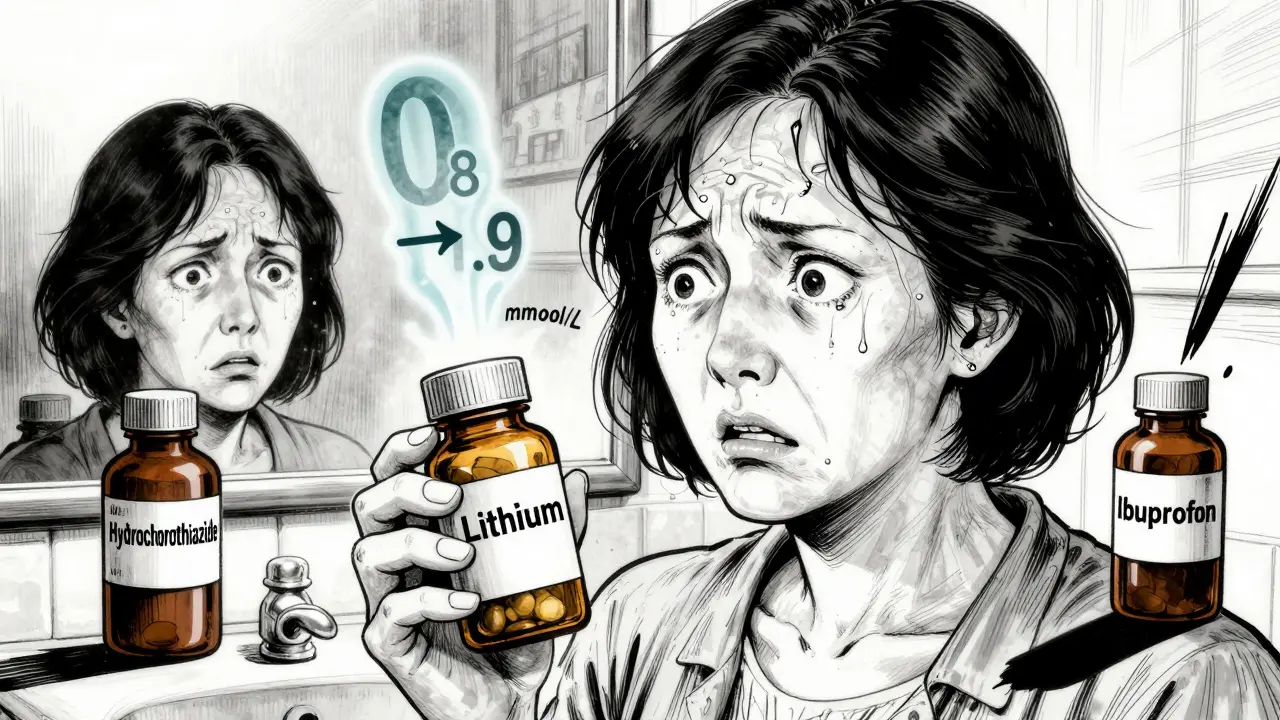
Lithium is a life-saving mood stabilizer, but common medications like diuretics and NSAIDs can push its levels into toxic ranges. Learn how these interactions work, which drugs are most dangerous, and how to stay safe.
View more
SGLT2 inhibitors help control diabetes and protect the heart and kidneys, but they carry a rare risk of Fournier’s gangrene - a life-threatening infection. Know the warning signs and what to do immediately if they appear.
View more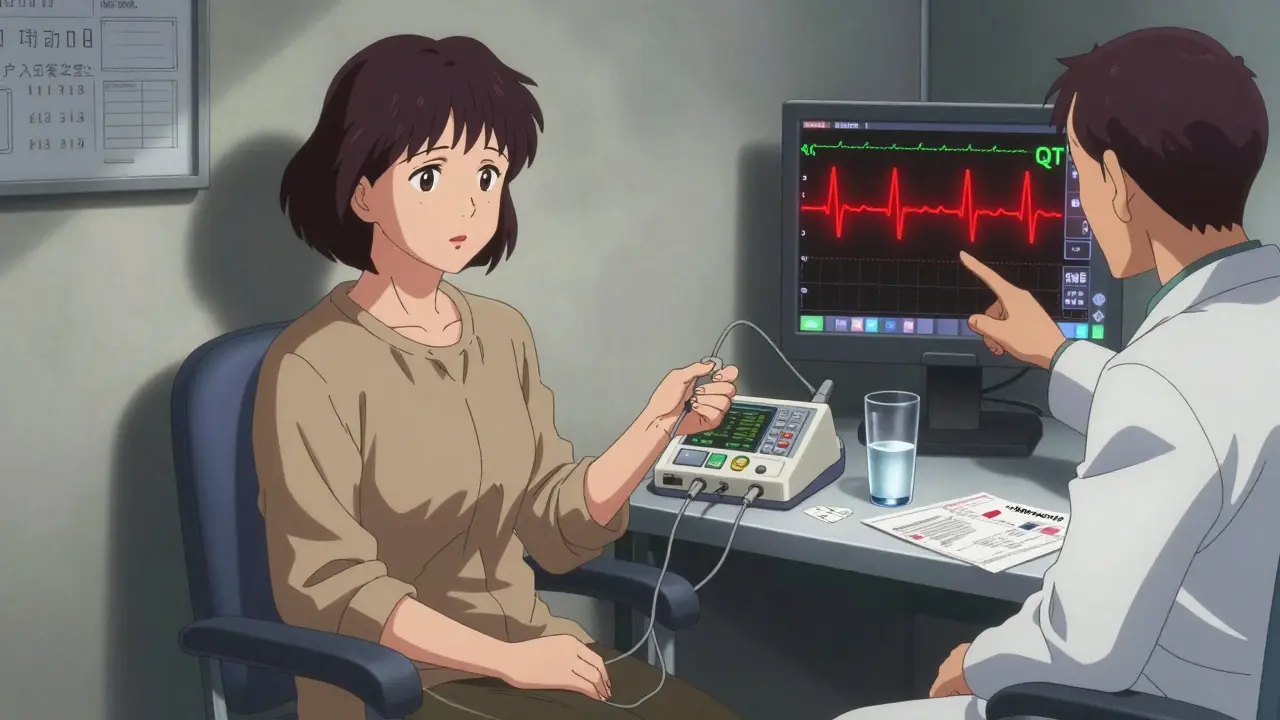
Macrolide antibiotics like azithromycin can cause dangerous heart rhythm changes. Learn who needs an ECG before taking them-and why skipping this simple test could be life-threatening.
View more
Azithromycin is one of the most prescribed antibiotics, but it's also among the top causes of drug-induced liver injury. Learn the real risks, who's most vulnerable, and how to protect yourself from hidden liver damage.
View more
Stevens-Johnson Syndrome and Toxic Epidermal Necrolysis are rare but deadly drug reactions that cause skin and mucous membrane damage. Learn what triggers them, how they're diagnosed, and how genetic testing can prevent them.
View more
Swimmer’s ear is a common and painful infection caused by water trapped in the ear canal. Learn the real causes, the most effective ear drops, how to use them correctly, and how to prevent it from coming back.
View more
Restless Legs Syndrome affects 5-10% of adults. While dopamine agonists once ruled treatment, they now carry high risks of worsening symptoms. Learn why alpha-2-delta ligands and iron supplements are the new standard for safe, lasting relief.
View more
Learn how to properly store children's antibiotic suspensions to ensure effectiveness and safety. Discover which ones need refrigeration, which must stay at room temperature, and how to avoid dangerous mistakes.
View more
Metformin helps women with PCOS ovulate by improving insulin sensitivity, reducing testosterone, and lowering miscarriage risk. It's cheaper, safer, and more effective than often-used drugs like clomiphene for insulin-resistant women-not just for fertility, but for long-term health.
View more
Patent law balances innovation incentives with affordable medicines through systems like Hatch-Waxman. Generics save $373B yearly in the US, but patent strategies like evergreening can delay access. Learn how patents protect drug developers while enabling generic competition.
View more