

Compare acetaminophen and ibuprofen for children under two. Learn safety limits, dosing rules, side effects, and effectiveness data to manage pediatric fevers confidently.
View more
Learn how to prevent dangerous drug-drug interactions in elderly patients. Understand the risks of polypharmacy, essential screening tools like Beers Criteria, and practical steps for caregivers.
View more
Discover the critical risks of mixing alcohol and Warfarin. Learn how binge drinking affects INR levels, increases bleeding risk, and what safe limits look like for patients on blood thinners.
View more
Opioid-induced hyperalgesia (OIH) is a paradoxical condition where long-term opioid use makes pain worse. Learn how to recognize the signs, why it happens, and how to treat it without increasing opioids.
View more
After the 2025 end of the $800 duty-free threshold, importing medication via international mail-order is now complex and costly. Learn how to navigate new customs rules, HS codes, and carrier restrictions to stay legal and safe.
View more
Cardiovascular generics save billions but raise real safety questions. Learn what studies show about their effectiveness, why some patients feel worse after switching, and what regulators are doing to improve quality.
View more
Diuretics are essential for treating fluid overload and high blood pressure, but they carry serious risks of electrolyte imbalance and dangerous drug interactions. Understanding how different types affect potassium, sodium, and kidney function is critical to avoid life-threatening complications.
View more
OTC nasal sprays give quick relief but can cause rebound congestion if used over 3 days. Learn how to use them safely, recognize the signs of dependency, and switch to safer alternatives like saline sprays and fluticasone.
View more
Drug companies are using legal loopholes to block cheaper generic medicines by pulling original drugs off the market before generics can be substituted. This practice, called product hopping, costs billions and undermines pharmacy laws designed to save patients money.
View more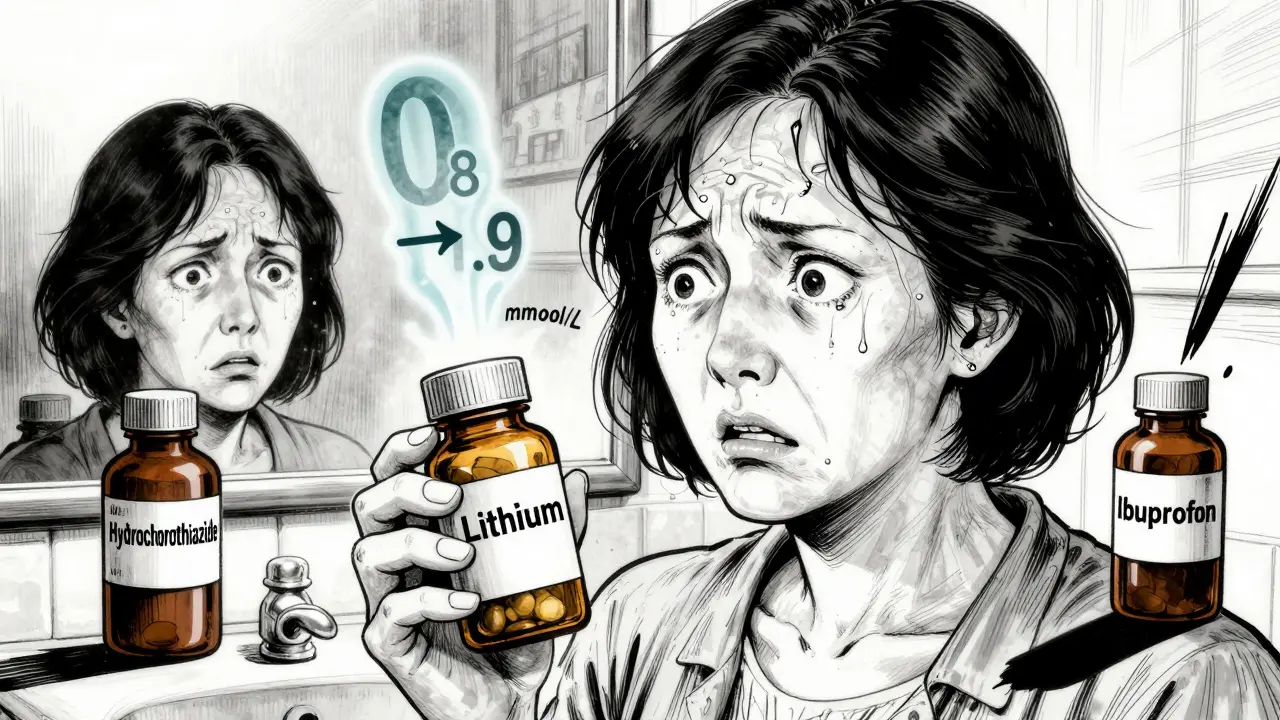
Lithium is a life-saving mood stabilizer, but common medications like diuretics and NSAIDs can push its levels into toxic ranges. Learn how these interactions work, which drugs are most dangerous, and how to stay safe.
View more