

Stability testing ensures pharmaceuticals remain safe and effective over time. Learn the exact temperature and humidity conditions required by ICH Q1A(R2), how long tests run, and why failures can lead to recalls.
View more
NTI drugs have a narrow safety margin, making generic switches risky. Learn why even FDA-approved generics may affect patients differently, how states regulate substitution, and what you can do to stay safe.
View more
Neuroleptic Malignant Syndrome (NMS) is a rare but life-threatening reaction to antipsychotic and dopamine-blocking medications. Learn the signs, risks, and urgent treatment steps that can save lives.
View more
Panic disorder involves sudden, intense panic attacks and often leads to agoraphobia. Learn how CBT and medication can effectively treat it, why people delay help, and what recovery really looks like.
View more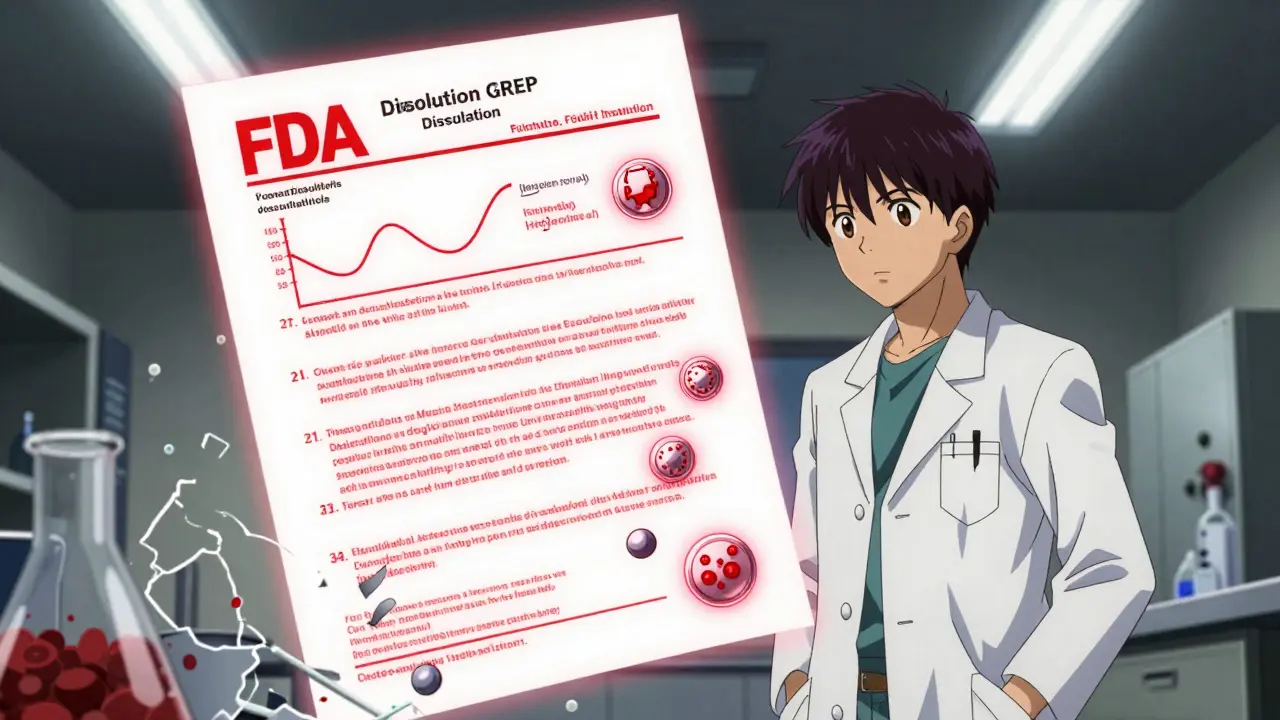
Deficiency letters from the FDA are the most common reason generic drug applications are delayed. Learn the top 5 issues-dissolution, impurities, sameness, methods, and elemental controls-and how to avoid them.
View more
The first trimester is the most critical time for fetal development. Learn which medications are safe, which to avoid, and how to make informed choices to protect your baby’s health during early pregnancy.
View more
Anal fissures cause sharp pain and bleeding during bowel movements. Most heal with fiber, water, and sitz baths, but chronic cases need topical meds or surgery. Learn what works, what doesn’t, and how to prevent recurrence.
View more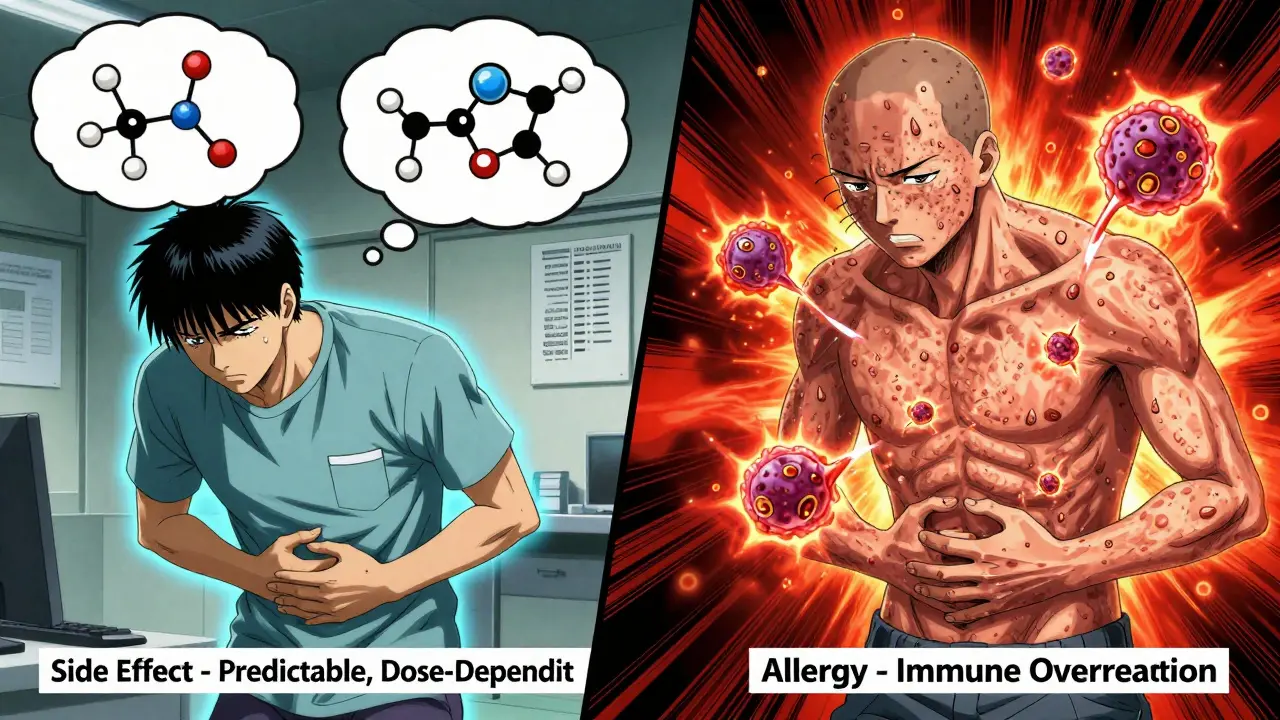
Learn the critical difference between medication side effects and true allergic reactions. Discover why mislabeling side effects as allergies leads to worse treatments, higher costs, and dangerous infections.
View more
Obesity doesn't just mean extra weight-it triggers diabetes, heart disease, and sleep apnea in a dangerous cycle. Learn how these conditions connect, why they're often missed, and what actually works to break the chain.
View more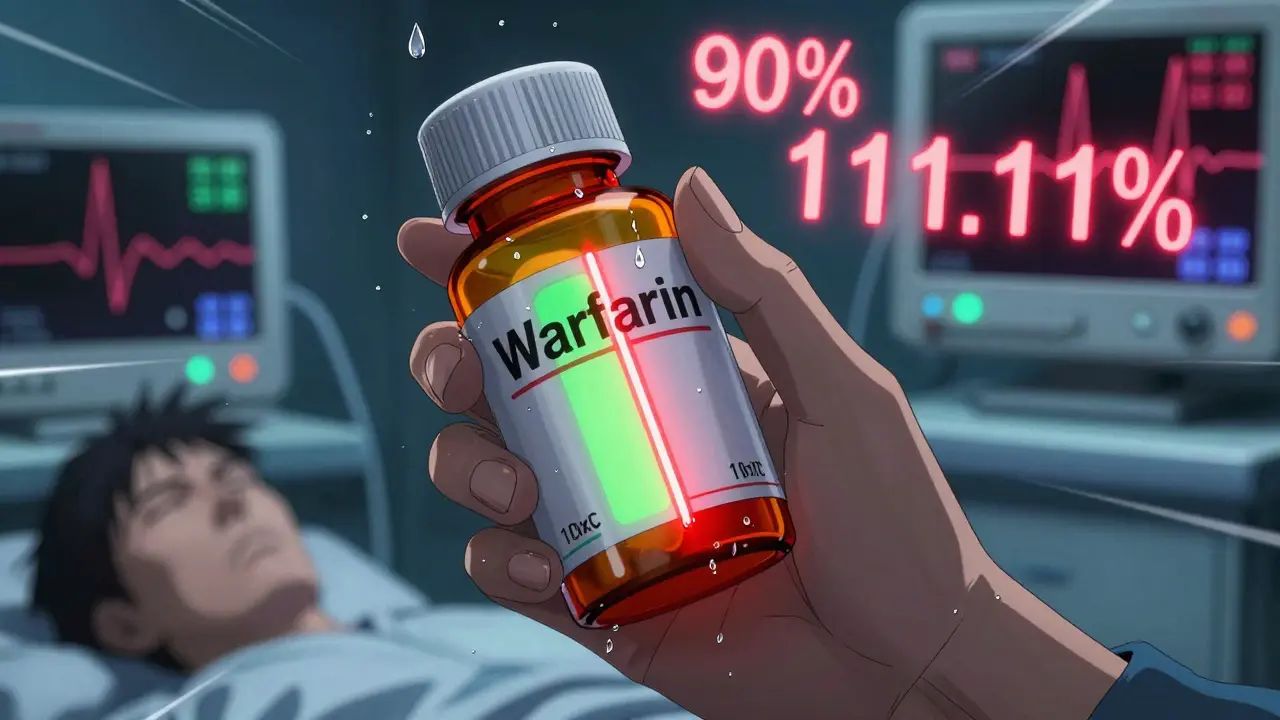
Bridging studies for NTI generics ensure that life-saving medications like warfarin and levothyroxine are safe and effective when switched to generic versions. Learn why these studies are stricter, costlier, and more complex than for regular generics.
View more